Grade 3 · Week 14context clues
The School Garden Harvest
Students read a short narrative about a class garden harvest and answer five context-clue questions about target vocabulary, supported by teacher and homeschool guidance.
On screen - your kid, alone
- 1Day 1 - Meet the story
- 2Day 2 - Word work
- 3Day 3 - What it means
- 4Day 4 - Fix & re-read
- 5Day 5 - Show what you know
Offline - with you
Print the pages for offline work together; the answer key is for you.
Before reading, tell your child you'll be playing word detective today—when you hit a word you don't know, you look at the other words nearby for clues. Read the passage aloud together, or take turns reading paragraphs, and pause at each bolded word to ask, "What do you think that word means? What clue helped you?" A strong answer connects the word to specific evidence from the sentence, like noticing that "drooping down and limp" tells us *wilted* means droopy and dried out, or that "did not bend or break" shows *sturdy* means strong. If your child guesses without using clues, gently reread the sentence right before or after the word and ask, "Does that help us picture it?" If they're still stuck, offer two choices ("Do you think bountiful means a lot or a little?") and let them point to the clue that proves their answer. End by having your child use one of the five words in a sentence about your own home or kitchen—that quick transfer step locks the meaning in.
The School Garden Harvest
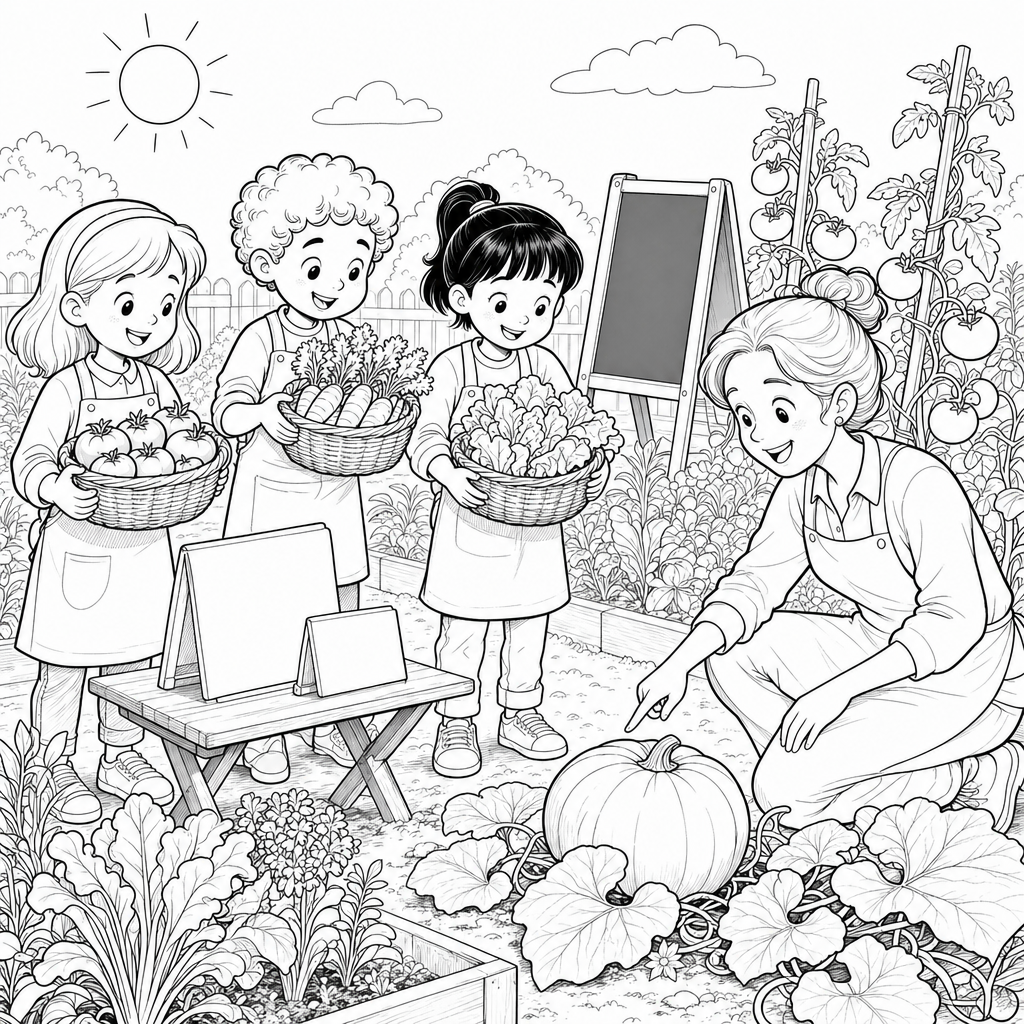
Ms. Patel's third grade class rushed outside to the garden. The plants had grown all summer. Now it was time to pick the vegetables. The garden looked bountiful. There were so many tomatoes, beans, and peppers that the baskets could barely hold them all. Maya grinned at the huge pile. The class set up a stand near the school gate. They wanted to share food with families at pickup time. Jamal carried a tall stack of crates. He picked a strong wooden box for the bottom. That sturdy crate did not bend or break, even with heavy crates piled on top. Sara helped tie a sign to the front. Soon, the smell of fresh basil drifted through the air. The leaves were so fragrant that the sweet smell pulled people closer to the table. One dad sniffed and smiled. "What is that lovely scent?" he asked. The children passed him a small green bunch to take home. Not every plant looked perfect. A few lettuce leaves were wilted, drooping down and limp from the hot sun. Ms. Patel set those aside for the compost bin. The rest of the lettuce stood up tall and crisp. Families lined up, eager to try the food. They could not wait to fill their bags and taste everything. The children handed out tomatoes, carrots, and beans with proud smiles. By the end of pickup, every basket was empty. Ms. Patel told the class they had done wonderful work. The garden had fed many happy families that afternoon.
What this lesson checks
- Context evidence: Read this sentence from the passage: "A few lettuce leaves were wilted, drooping down and limp from the hot sun." What does the word wilted most likely mean?
- Context evidence: Find the words in the passage that help you understand what fragrant means. Copy two short phrases from the passage that give clues about the meaning of fragrant.
- Context evidence: Read this sentence from the passage: "He picked a strong wooden box for the bottom." The next sentence says the sturdy crate did not bend or break, even with heavy crates piled on top. What does the word sturdy most likely mean?
- Context evidence: Look at the word bountiful in the passage. Copy one short clue from the passage that helped you understand it, and tell what bountiful means in your own words.
- Context evidence: The passage says, "Families lined up, eager to try the food. They could not wait to fill their bags and taste everything." Which clue in these sentences BEST helps you figure out what eager means?